Hello! And welcome back to the Mickelson Photography Blog. Today, we will be looking at frozen motion and motion blur.
Frozen Motion
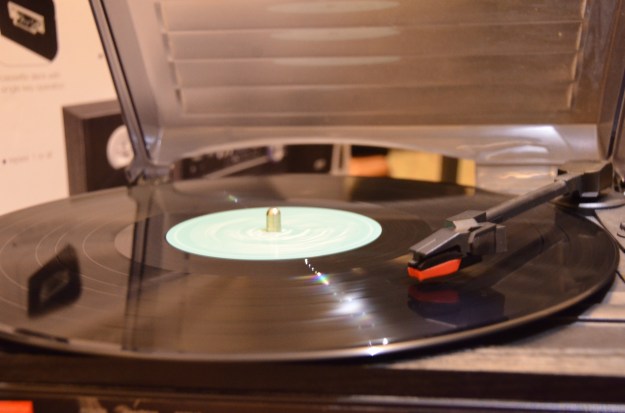
“Mac DeMarco on a Turntable” – 9/30/20, 12:21pm, Idaho – 32mm – f/5.6 – 3/10 – Nikon D7000 (flash used)
Here we have a record spinning on a turntable. By focusing on the rod in the center, the motion of the vinyl record is slowed (almost frozen). The grooves don’t appear to be moving, and it appears as if time itself has decided to stand completely still.
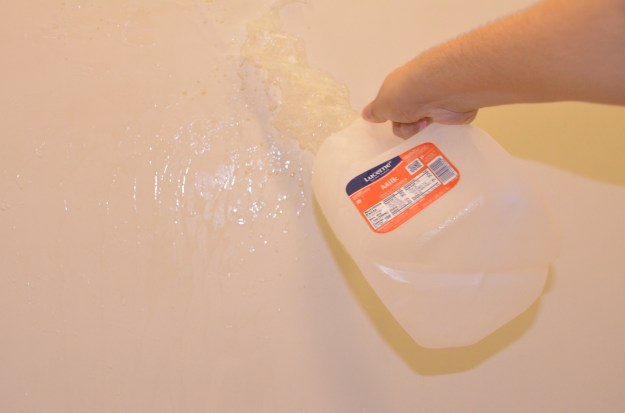
Here’s another example of frozen motion. This image was created by filling up an empty milk jug only part of the ways up, and then sloshing the jug’s contents into the wall of a shower. Captured at just the right time, the camera was able to produce an effect that makes the water appear frozen as it splashes out of the plastic milk jug.
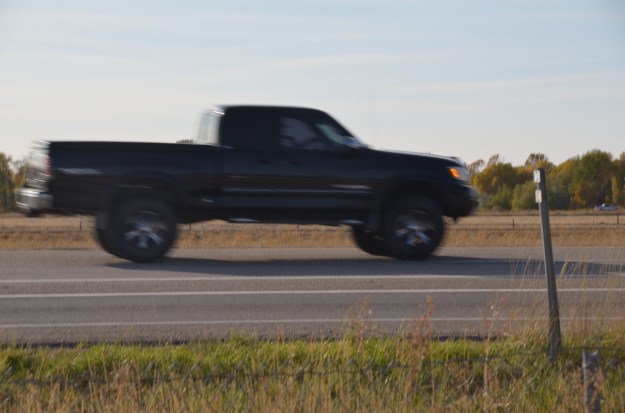
The differences between frozen motion and motion blur can be striking. It’s obvious that this pickup truck is moving down the highway. But when the camera focuses on another object (whether it be in motion or not in motion) such as the metal pole on the roadside, the shape of the larger object can be easily blurred.
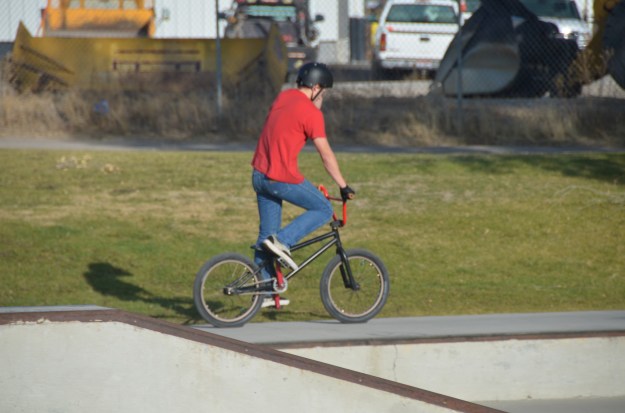
Now notice this distinctly different example of motion blur. Here, the boy in the red shirt is getting ready to do a bike trick. He is more in focus than the sidewalk and the vehicles behind the fence, which are not so focused up. But, this indeed still counts as motion blur.
Thanks for checking out this entry of the Mickelson Photography Blog!
In my blog post today, I will be providing some examples of apertures and shutter speeds as used in photography. I will also be examining them, and if we have time towards the end, I will also explain a little about motion blur, and why I feel that is an important topic to convey as a photographer and editor.
Pixabay, pexels.com
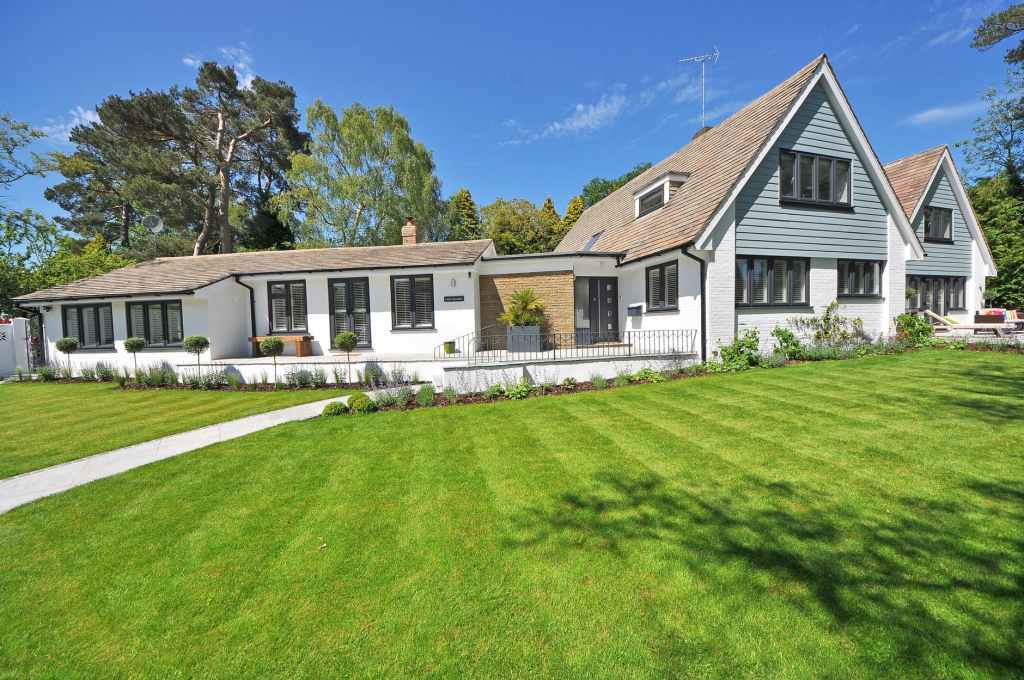
First up, we will be looking at an example of a wide aperture. A wide aperture would have its settings ranging in between the values of f/1.4 and f/2.8. I found this picture of a large white house on pexels.com. It would appear that the person who captured this shot took the picture in the front yard.
Take note of how the entire exterior of the property is visible. From the edge of the east wall to the west wall, all windows and plants decorating the front of the home’s exterior can be easily seen. This can be an ambitious shot to photograph, but with a wide aperture lens, it’s not too difficult to do.
Alex Azabache, pexels.com
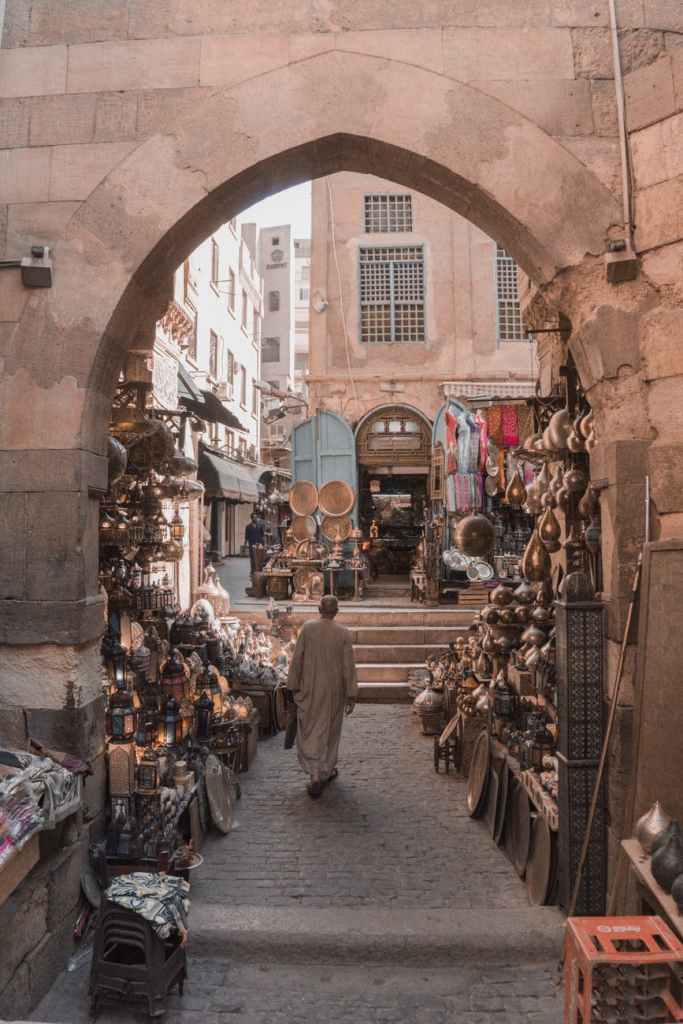
This next photo is an example of a narrow aperture. A narrow aperture is captured usually in small spaces, and is customarily measured at f/32. These photographs traditionally rely on natural lighting, and are boxed-in by walls or other surrounding objects to give the viewer a somewhat claustrophobic feeling as to the depth of field utilized here.
@sevenstormphotography, pexels.com
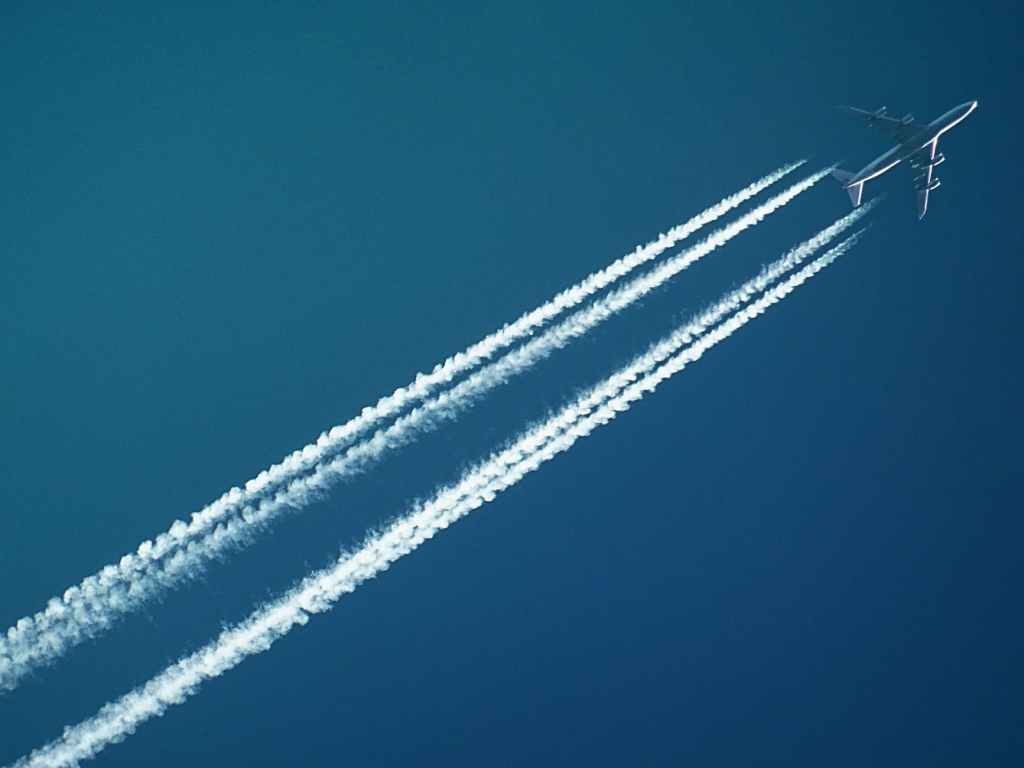
With this photo, a fast shutter was used to capture the chemtrails left in the wake of an airplane. Fast shutter is a term which describes the high shutter speed that is fast enough to freeze the action in a still image. So while the plane is more than likely traveling at speeds of over 100 miles an hour, it is now reduced to a motionless shape thanks to the camera’s high shutter speed.
Kehn Hermano, pexels.com
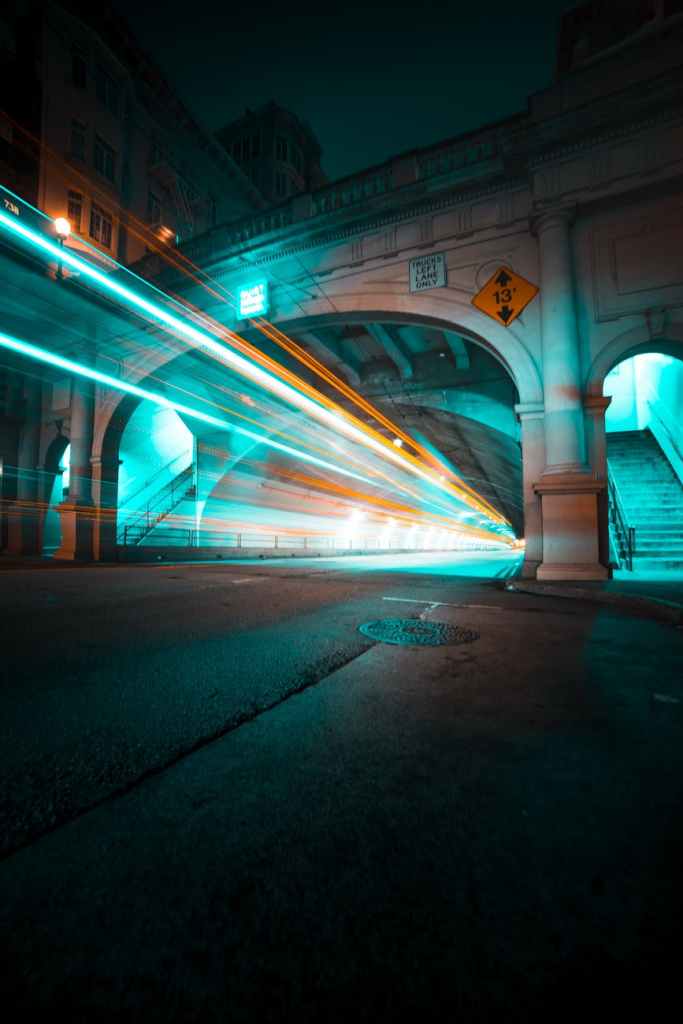
The photo we will be looking at here actually teases our next and last topic of “motion blur”, which we will be discussing very soon. Here we have an example of a slow shutter, which refers to only a fraction of a second (such as 1/2 or 1/4). It would appear that the headlights of vehicles whizzing past are reduced only to suspended beams of color and light, which is an effect caused by the camera’s low shutter speed.
@cardellimedia, pexels.com
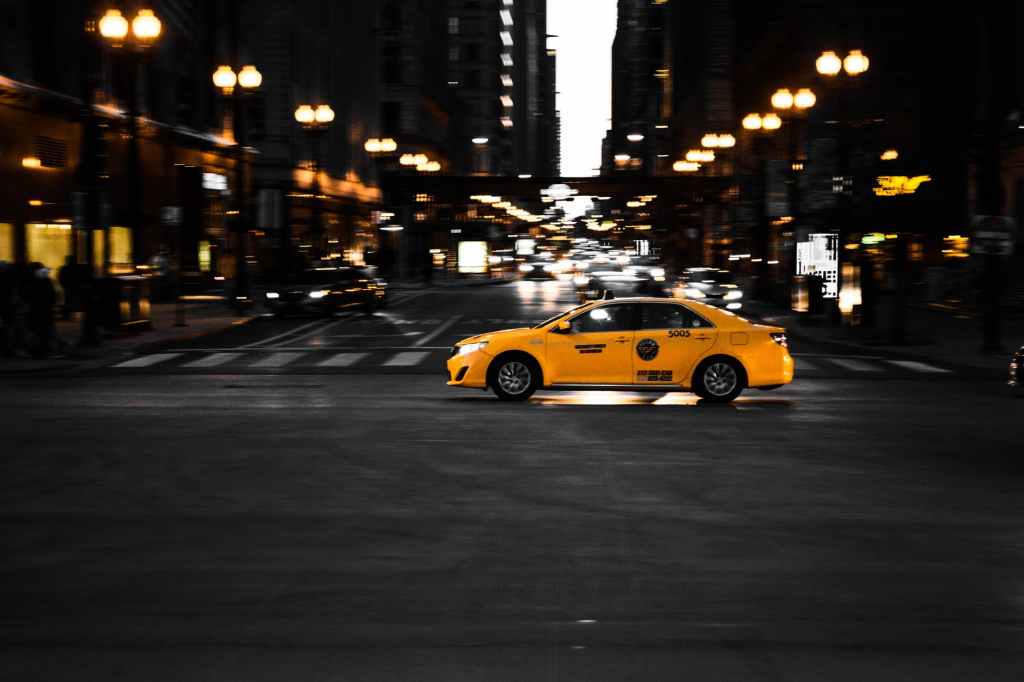
To conclude, we will be discussing motion blur. Motion blur is defined as the streaking of moving objects in a photograph or multiple sequential frames.
Here we see a taxi cab passing through an urban intersection. The shot distinguishes the yellow cab easily, not only through the vehicle’s vibrant colors, but because of the emphasized focus placed on this object. In contrast, the rest of the photo is unfocused, not necessarily because the other objects are not in motion. Maybe some of them are. However, the motion blur used in this image sets the taxi cab apart from its surroundings—with any other image, a different object could be used. I have seen various examples of motion blur made to look really good in a still image. And that is definitely something I would like to try and master with my photography.


 Three Books Shared by Omar Mickelson